What Your Clutter Says About Your AGE (And What to Do About It)
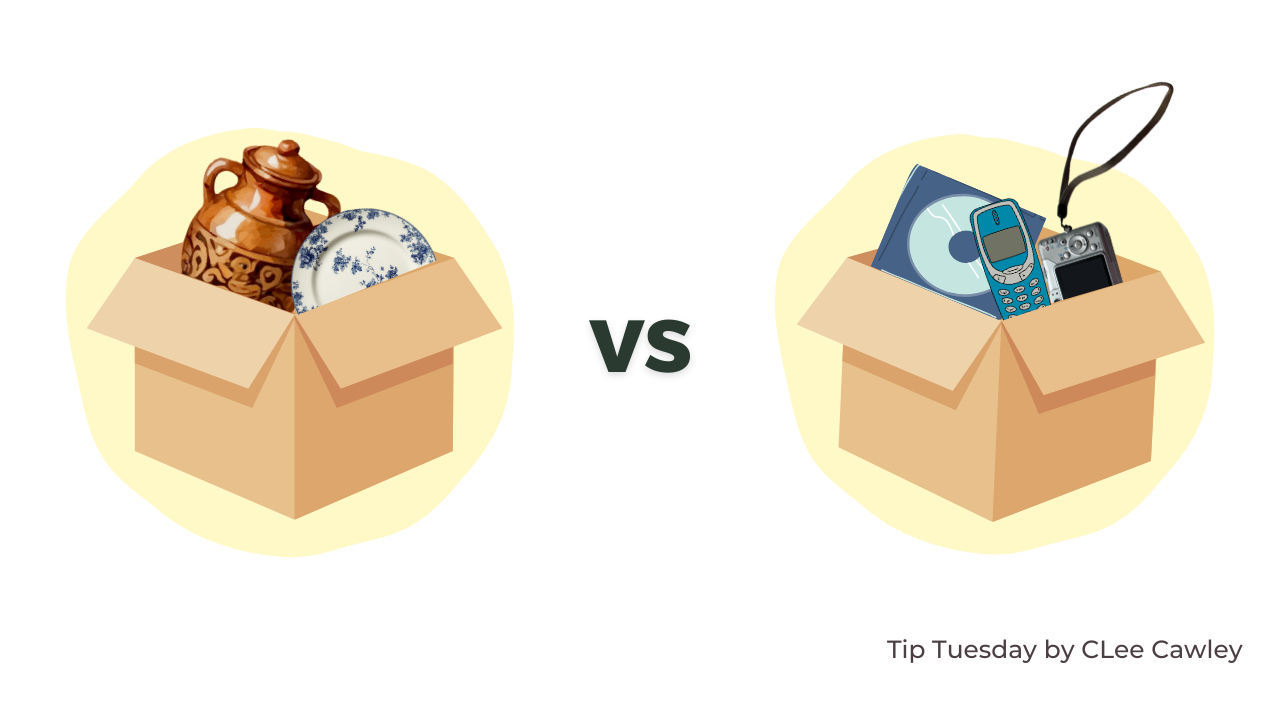
The Washington Post published a fascinating piece that stopped me in my tracks. The premise? You can tell which generation someone belongs to just by looking at their clutter.
As someone who has been inside thousands of homes since 2003, I found myself nodding along the whole time. The things we hold onto are deeply shaped by the world we grew up in, what felt scarce, what felt precious, and what felt like it defined us.
Understanding that about yourself can actually make letting go a whole lot easier. Here’s what the research says about each generation, plus my professional take on what to do about it.
1 - Boomers: The Keepers of Durable Goods
Born between 1946 and 1964, Boomer clutter tends toward things built to last and to show off. Good china, solid furniture, collections of figurines and decorative objects. Even foods that have expired because throwing away food still feels genuinely wrong after growing up in a culture that valued using everything up. The Boomer relationship with stuff is rooted in permanence and value. Letting go of quality feels wasteful.
What to do about it:
- The china you never use isn’t honoring the investment you made in it; it’s just taking up space.
- Pass pieces to family members who will actually use them, or donate to a local Habitat for Humanity ReStore where they’ll find an appreciative new home.
- Check expiration dates on pantry items during your next kitchen reset and give yourself permission to toss without guilt. Wasting space is also a form of waste.
2 - Gen X: The Accidental Archivists
Born between 1965 and 1980, Gen X homes often resemble a time capsule capturing the shift from physical to digital technology. CDs, DVDs, VHS tapes, early cell phones, and first-generation digital cameras. These weren’t just functional items; they shaped your identity. Your music collection once said something important about who you were.
What to do about it:
- The music and movies still matter. The actual disc doesn’t. Most of what’s on those lives on streaming services now.
- For anything truly irreplaceable, consider digitizing before letting the physical copy go.
- Take old electronics and devices to Best Buy or a local electronics recycler so they’re handled responsibly rather than ending up in a landfill.
3 - The Clutter We ALL Seem to Share: Inherited Stuff
This is especially relevant because so many of you are navigating not just your own generational clutter but also your parents’ belongings. Boomer and Gen X households are often the landing zone for the Silent Generation’s truly well-made, guilt-inducing heirlooms from parents and grandparents who lived through genuine scarcity.
What to do about it:
- Choose a few truly meaningful pieces and document the stories behind them.
- Give the rest a chance to matter to someone else. Keeping something out of guilt is not the same as honoring it.
- The people who owned those things before you wanted you to have a good life, not a crowded one.
One Question for Every Generation
Regardless of which generational clutter profile sounds most like you, the path forward is the same. Every single thing you own asks something of you in return: space to live, care to maintain it, and attention when you need to find it. Before you continue to keep something, ask yourself honestly: is this item earning its place?
Your home is the container, and you get to decide what deserves to be in it.
Sign Up To Receive a Tip Every Tuesday in Your Inbox
We hate SPAM. We will never sell your information, for any reason.